A Good Hope Tutoring Services LLC Initiative • Wellness & Family Capacity Building
Introducing

Community
Connections Academy

Building stronger families.Developing capable young people.Strengthening communities.

We bring hands-on wellness and practical life-skills experiences into schools to help students and families grow stronger together.

What the Academy Is

A school-based program for students and families.

Community Connections Academy brings practical, hands-on learning into schools so students and families can build healthier habits, useful skills and stronger connections.

The program was developed and is operated by Good Hope Tutoring Services LLC. Experiences can include wellness, agriculture, animal science, family engagement, entrepreneurship, career exploration and life skills.

This is not tutoring or childcare. It is one connected program that helps students and families practice skills they can use at school, at home and in everyday life.

School-BasedHands-OnFamily-CenteredBuilt for Real Life
Our Central Purpose

What “wellness and family capacity building” really means.

Wellness is more than physical health, and capacity building is more than attending an activity. The Academy helps students and families develop knowledge, relationships, confidence and practical abilities they can continue using long after an experience ends.

Whole-Person Wellness

Wellness includes physical and emotional health, nutrition, movement, stress management, healthy relationships, confidence, belonging, financial capability, food access and connection to helpful resources.

We help participants understand wellness, practice it and build it into daily life.

Family Capacity Building

Family capacity building means strengthening what a household knows, what it can do, how its members work together and how effectively it can access opportunities and solve everyday problems.

We equip families with usable skills, stronger connections and greater self-sufficiency.
What We Offer Schools

Flexible formats.
Meaningful experiences.

Your school can select a focused experience or work with Good Hope to combine multiple disciplines into a customized school-year program.

Hands-on student workshops

Focused experiences that bring practical learning into the school day, after-school schedule or community setting.

Family wellness & connection nights

Interactive events where caregivers and children learn, move, communicate, cook, create and solve challenges together.

Agriculture & animal-science experiences

Gardening, food systems, responsible animal care, farm operations, sustainability and related career exposure.

Career & entrepreneurship exploration

Community professionals, business fundamentals, financial literacy, product development and presentation practice.

Multi-session enrichment series

Connected experiences delivered over several weeks so participants can practice, build and apply what they learn.

Schoolwide & community events

High-energy demonstrations, activity stations, wellness experiences and customized engagement for larger groups.

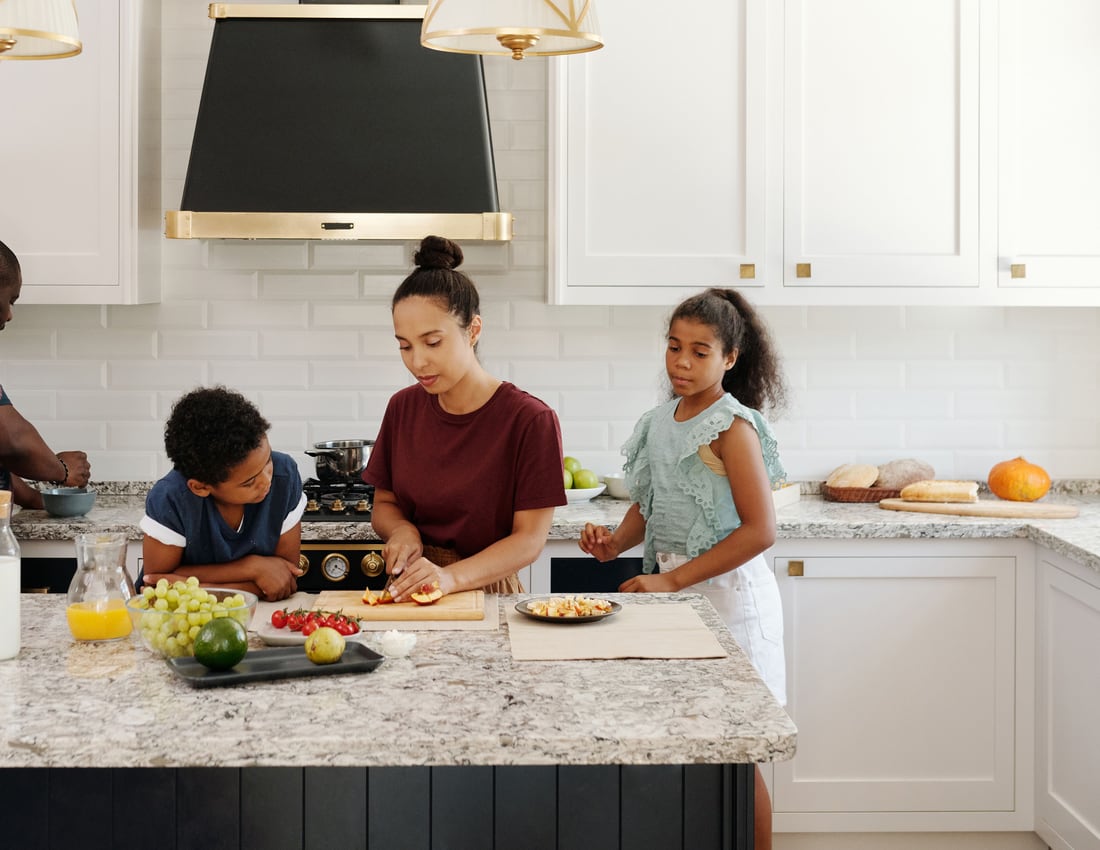
A family preparing healthy food together
Learn together.Families build routines and practical skills they can use at home.
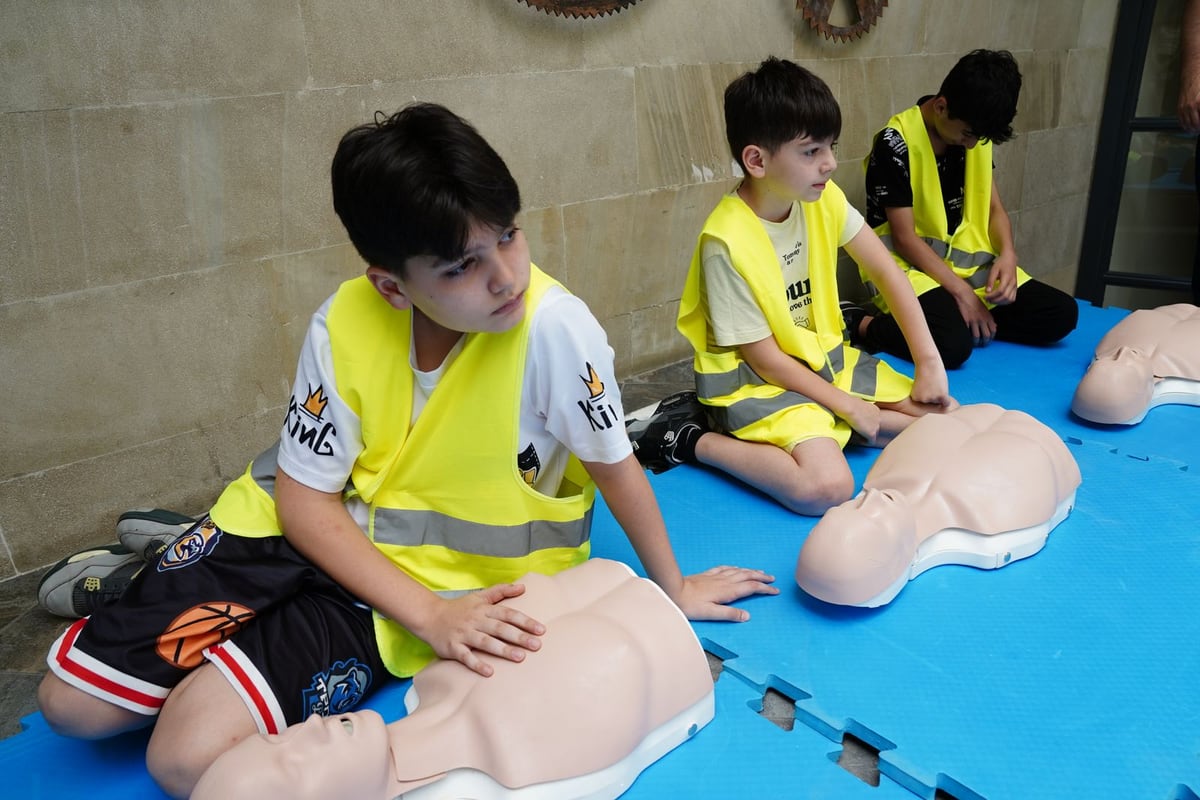
Young people practicing CPR and emergency response skills
Practice real skills.Young people gain confidence by doing, solving, and leading.
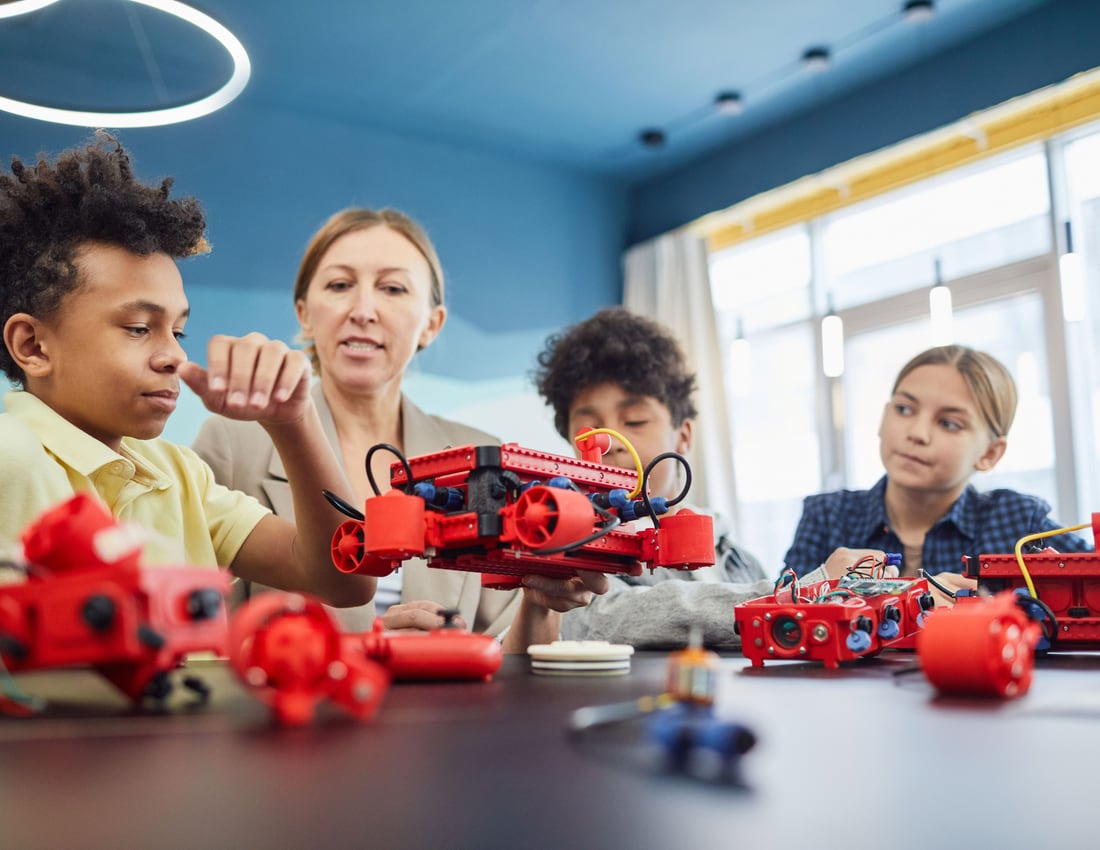
Students and an educator working together on robotics
Discover possibility.Experts connect hands-on learning to careers and opportunity.
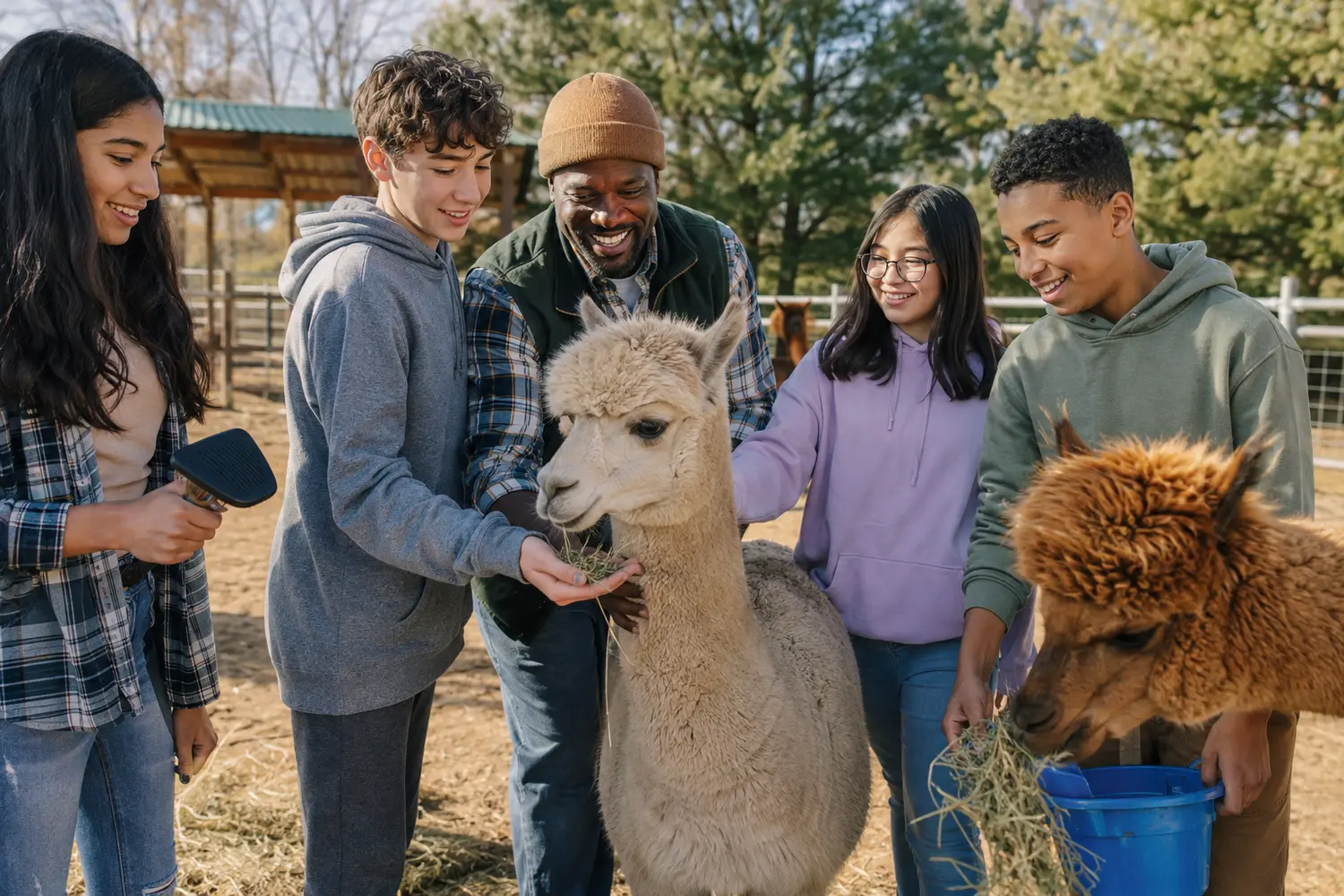
Diverse students learning responsible alpaca care with an agricultural educator
Experience animal science.Students build responsibility while exploring agriculture and animal-care careers.
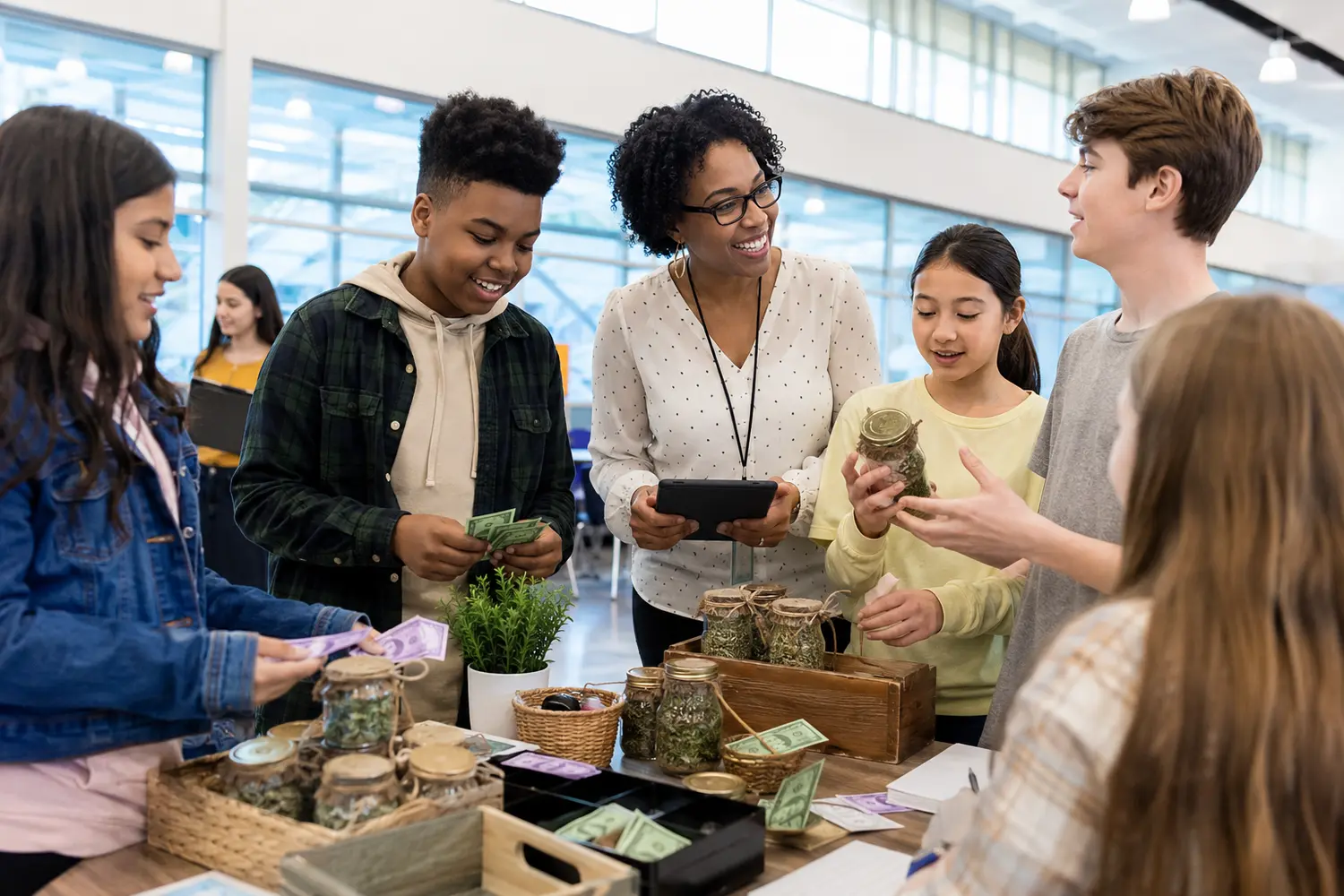
Diverse students practicing pricing and presentation during a school market lab
Build an idea.Young entrepreneurs practice budgeting, pricing, teamwork and confident communication.
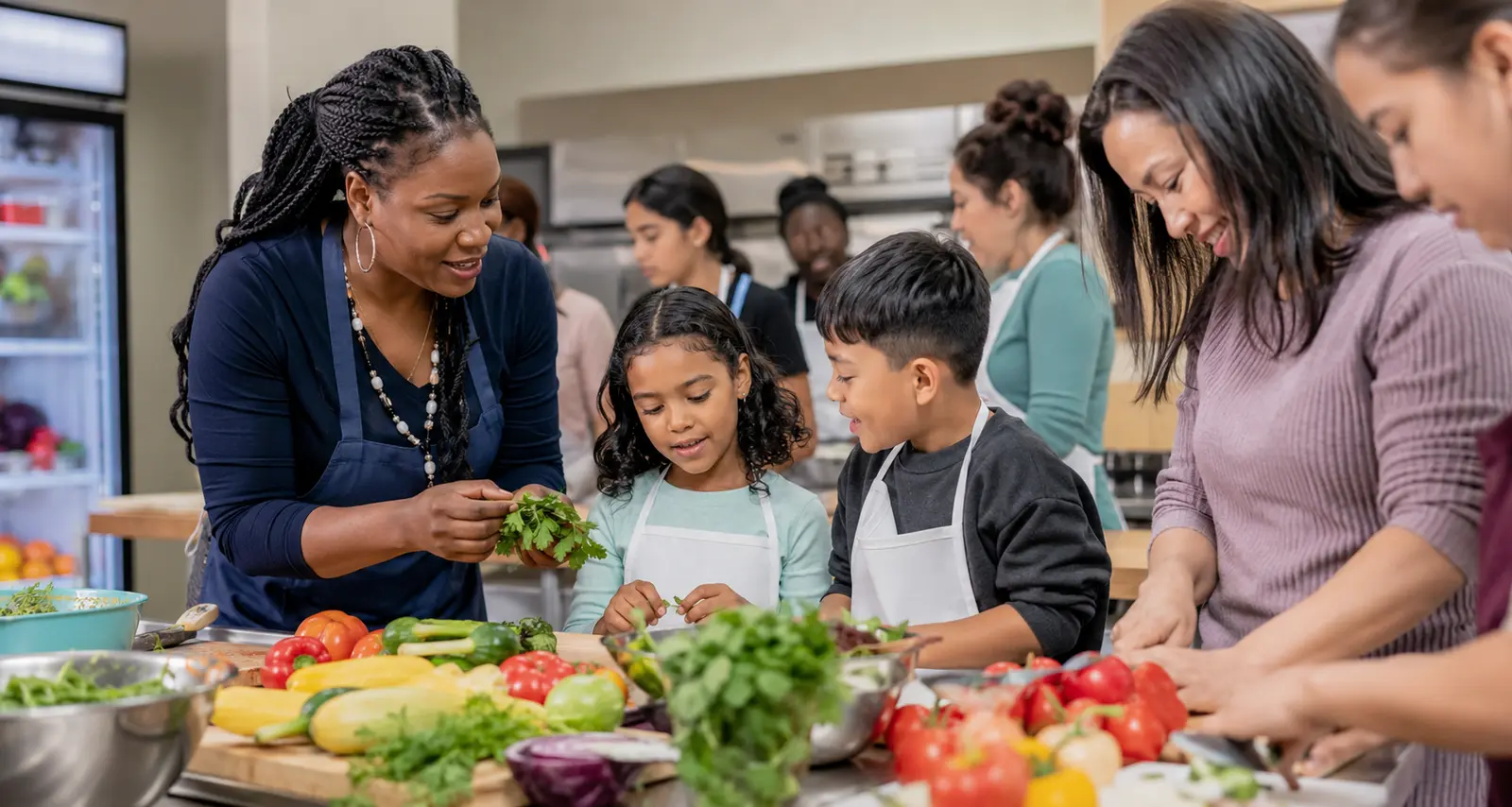
Students and caregivers preparing healthy food during a school family wellness night
Strengthen family wellness.School family nights turn nutrition and healthy routines into shared experiences.

Participants don’t simply hear about concepts.
They experience them.

Learning can happen in a garden, on a farm, around animals, in a kitchen, through entrepreneurship, during a wellness experience, while solving a real community problem, or alongside professionals who use these skills every day.

Our Four Connected Pillars

Many ways to
learn, grow & thrive.

Each pillar connects knowledge to practical experience. Tap a pillar to see what participants learn, what they may do and where that knowledge can lead.

Sample Experiences

See what participation
can actually look like.

Every experience combines active participation with practical knowledge, reflection and a connection to home, community, education or future opportunity.

Agriculture + Nutrition

From Seed to Supper

Participants germinate seeds, transplant herbs, explore what plants need to thrive, harvest ingredients and connect what they grow to nutrition and a simple meal.

Animal Science + Careers

Animal Care in Action

Young people practice safe feeding, grooming, habitat care and health observation while learning about veterinary, agricultural and animal-care professions.

Business + Financial Capability

Young Entrepreneurs Market Lab

Participants develop a product or service, calculate costs, choose a price, create a basic brand and practice presenting their idea with confidence.

Wellness + Family Connection

Family Wellness Night

Families rotate through movement, healthy food, mindfulness, communication and cooperative challenges designed to continue at home.

STEM + Sustainability

STEM on the Farm

Soil, ecosystems, plant biology, animal science, water conservation and agricultural technology become tangible through observation and experimentation.

Leadership + Life Readiness

Ready for Real Life

Youth practice communication, decision-making, emergency readiness, teamwork, goal setting and resource navigation through realistic scenarios.

Experience the Academy

One day might begin in the garden and end with a business idea.

A participant might grow food, care for an animal, prepare a harvest, explore the science behind it, discover a related career, shape a business idea—and take useful knowledge home.

GrowUnderstand the sourceExploreConnect the scienceCreateImagine the opportunity
Faculty-Led Learning in Motion

See expert guidance become student capability.

Our interdisciplinary faculty and community experts work directly with students across science, agriculture, wellness, technology, entrepreneurship and life skills. Every experience combines active instruction, hands-on practice and a clear real-world connection.

Science guided by working expertsAn instructor helps a student test ideas, use real tools and learn through experimentation.
Technology, teamwork and problem-solvingA faculty member guides a diverse student team through collaborative, project-based learning.
Our Difference

Real-world learning.
Real-world possibility.

01

Immersive environments

Farms, gardens, kitchens, animals, workshops, demonstrations, and field experiences make learning tangible.

02

Connected disciplines

Wellness, agriculture, science, entrepreneurship, leadership, and life skills strengthen one another.

03

Interdisciplinary faculty

Each school receives a customized team of educators and real-world professionals, so agriculture, wellness, STEM, entrepreneurship, animal care and life skills connect in one meaningful experience.

04

Community gardens at school

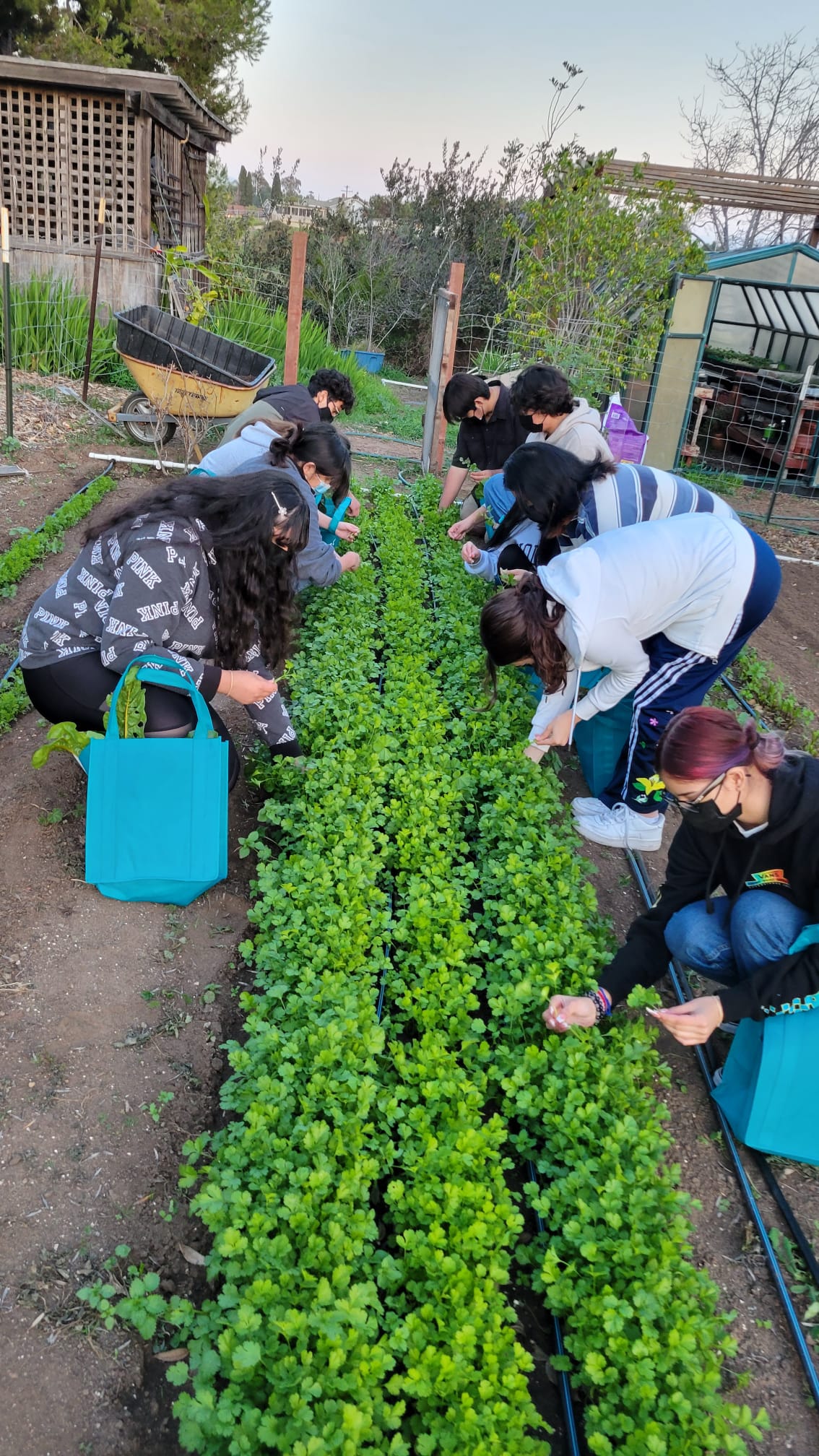
Schools can choose support to plan and establish an on-site community garden where students germinate seeds, transplant herbs, grow food, harvest crops and learn sustainable growing practices.

05

Fighting food insecurity

Students build practical knowledge about local food production, nutrition, preservation, composting and reducing waste—skills that can strengthen food access for families and communities.

06

Culminating capstone

School-year programs can conclude with a capstone project in which students combine disciplines to create something useful or address a real need in their school or community.

Three Signature Opportunities

Learning students can see, feel and lead.

These experiences show how Community Connections Academy connects wellness, practical skills and school improvement—not as separate activities, but as one interdisciplinary program.

Agriculture & Food Security

Build a Community Garden

We can help schools plan and establish a living classroom where students germinate seeds, transplant herbs, tend crops, compost and harvest food while learning sustainable agriculture and practical ways to fight food insecurity.

Grounding for Wellness

Reconnect With the Land

Working with soil engages the senses, slows the pace and gives students a constructive way to manage stress. Garden care builds patience, responsibility, belonging and a deeper connection to where food comes from.

Student-Led Capstone

Turn Learning Into Action

The school year can culminate in a meaningful project and showcase that combines agriculture, STEM, wellness, entrepreneurship and leadership to address a real need in the school or community.

Agriculture in Action

Bring a community garden to your school.

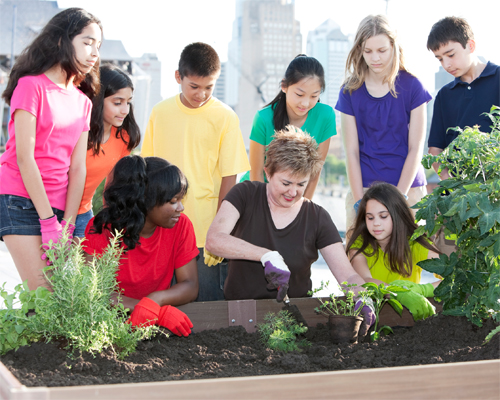
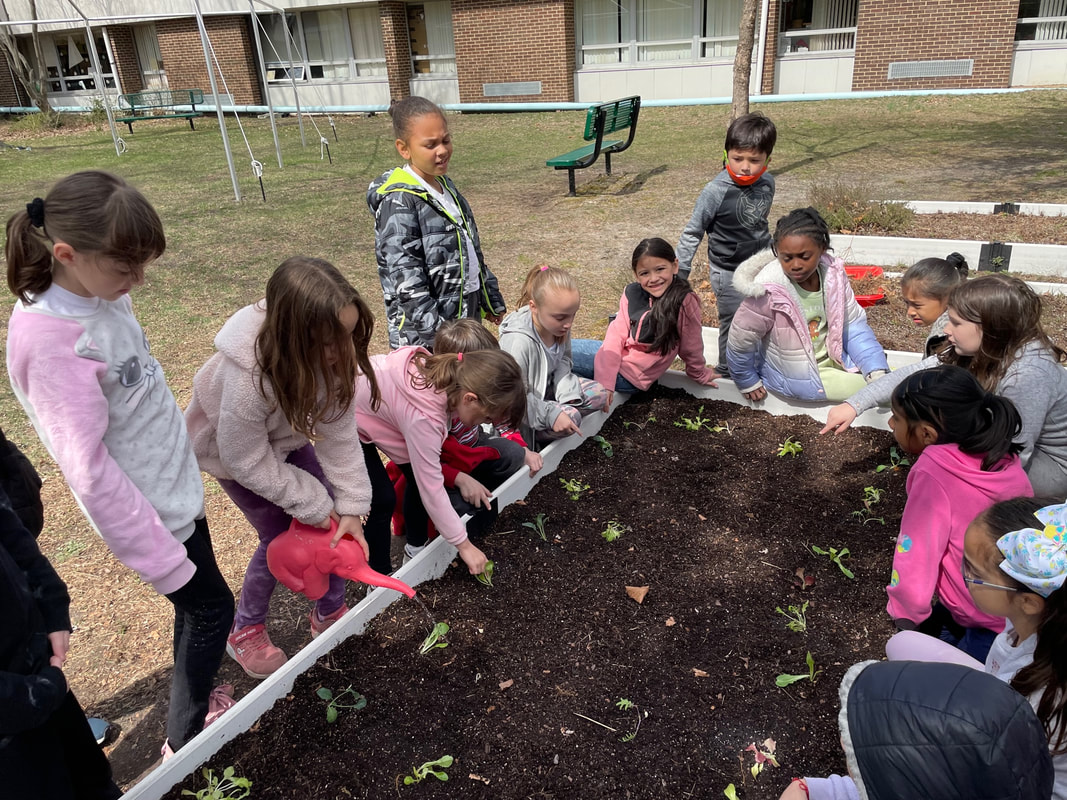
Community Connections Academy can help your school plan and establish a garden as a living classroom. Students of different ages can germinate seeds, transplant herbs, tend crops, harvest food, compost and explore sustainable agriculture together.

At a time when many young people are disconnected from the land and from the source of their food, the garden creates a place to reconnect. Working with soil can also be a grounding wellness practice: students slow down, engage their senses, manage stress and build a sense of place, responsibility and belonging. Along the way, they understand natural systems and gain the confidence to grow food for themselves, their families and their communities.

The garden can support science, nutrition, entrepreneurship, family engagement and student leadership while building practical skills that help schools and communities fight food insecurity.

Start a conversation about sustainable agriculture, student leadership and practical ways your school can help fight food insecurity.
What Participants Gain

Capacity that lasts beyond one experience.

The goal is not simply to keep participants busy. Each experience is designed to increase what young people and families know, what they can do and what they believe is possible.

01Greater confidence and independence
02Practical food and wellness knowledge
03Stronger communication and relationships
04Financial and entrepreneurial capability
05Leadership and decision-making skills
06Exposure to careers and professionals
07Stronger family and community connections
08Knowledge participants can use at home
Who Benefits

One school partnership.
Benefits across the school community.

Schools are our clients. Students, families and staff are the people the Academy is designed to support through a coordinated program shaped around school priorities.

School leadership

A grant-funded program that can support school wellness, enrichment and family-engagement priorities without adding cost to the school.

Students

Age-appropriate opportunities to explore, practice, create and lead through active experiences—not worksheets or lectures.

Families

Practical knowledge, shared experiences and stronger connections that can continue at home.

Teachers & school staff

A coordinated program that complements the school’s goals and gives students new ways to engage and apply learning.

Student support teams

Flexible experiences that reinforce confidence, belonging, healthy routines, communication and life readiness.

The school community

Schoolwide and family-centered experiences that bring people together around wellness, capability and opportunity.

Real-world expertise, coordinated for your school. Good Hope brings together educators and professionals in wellness, agriculture, animal care, entrepreneurship, STEM, trades and community leadership to create safe, useful and engaging school experiences.

Faculty Expertise & Program Areas

One network supports a wide range of school experiences.

This section highlights the customized program areas Community Connections Academy can bring to schools. A school may select a focused program area or combine several areas into an interdisciplinary experience based on its grade levels, priorities and desired outcomes.

Agriculture, Sustainability & Community Gardens

Optional school-based community garden planning and setup; seed germination, transplanting, growing and harvesting; food production, composting, waste reduction, food security, environmental learning and agriculture careers.

Animal Science & Care

Responsible animal husbandry, feeding, habitats, health observation, farm operations, veterinary science and animal-care careers.

Nutrition & Culinary Skills

Healthy cooking, nutrition, meal planning, smart shopping, food budgeting, preservation, reducing food waste and practical household skills.

Health & Wellness

Movement, cycling, outdoor wellness, mindfulness, stress management, emotional regulation, resilience, sleep, hydration and healthy routines.

Business & Financial Capability

Entrepreneurship, business ownership, pricing, budgeting, customer service, product development, financial literacy and practical money skills.

STEM, Careers & Skilled Pathways

Applied science, healthcare careers, skilled trades, cosmetology, agricultural technology, career exploration and alternative postsecondary pathways.

Leadership & Life Readiness

Communication, decision-making, teamwork, goal setting, independence, problem solving, civic engagement and practical readiness for adulthood.

Family Connection & Belonging

Family game nights, parent-child challenges, cooperative activities, communication practice, cultural experiences and shared learning families can continue at home.

How the interdisciplinary faculty model works

Rather than asking one instructor to cover every subject, Good Hope assembles the right mix of educators and real-world professionals around each school’s priorities. Students might grow herbs, study plant biology, connect food to nutrition, plan a product, calculate its cost, create a brand and present the idea to families—combining agriculture, STEM, wellness, financial literacy, entrepreneurship and communication in one experience.

Language Access & Family Communication

Helping Spanish-speaking families feel informed and included.

Good Hope Tutoring Services LLC uses translation services to support clear communication with Spanish-speaking families. Interpreter services can also be provided based on the needs of the school and participating families.

Translated family communicationInterpreter services availableLanguage needs included in planning

Schools should share anticipated language-access needs during program planning so appropriate support can be arranged.

For Schools

Designed around your students, families and school priorities.

We can support elementary, middle and high school communities through in-school, after-school, weekend and family-engagement formats.

Grant-Funded Access

No cost to participating schools or families.

The grant covers approved program services, delivery and necessary materials. Your school provides access to students and families; Community Connections Academy provides the experience.

Tell us what you need

Share your grade levels, schedule, goals, student needs, family-engagement priorities, language-access needs, available space and preferred timeline.

Plan the right experience

We identify the best format, disciplines, faculty, environment, materials and level of family or community participation.

Bring learning to life

Good Hope coordinates an experience that is active, age-appropriate and connected to practical outcomes.

Schools can choose:One-time workshopsRecurring enrichmentMulti-session seriesFamily nightsSchoolwide eventsCustomized combinations
Sample 36-Week School-Year Program

Interdisciplinary learning, every week of the year.

This illustrative weekly sequence blends Academy disciplines throughout the year instead of assigning one subject to one season. Good Hope customizes timing, grade level, activities, faculty and family engagement around each school’s calendar and priorities.

Module 1Belonging, Goals & Growing
Week 1

Community, identity and wellness

Students map personal strengths, family supports and community resources while setting a practical wellness goal.

Leadership • Emotional wellness • Family connection
Week 2

Seeds, science and patience

Students germinate seeds, measure growth conditions and connect plant care with mindfulness and responsibility.

Agriculture • STEM • Wellness
Week 3

Healthy soil, healthy systems

Students test soil, explore ecosystems and compare how healthy environments support plants, people and communities.

Environmental science • Nutrition • Community wellness
Week 4

A plan families can use

Students create a small home-growing and wellness plan with a materials list, budget and shared family roles.

Financial capability • Communication • Food security
Module 2Care, Movement & Responsibility
Week 5

Transplant, measure and adapt

Students transplant herbs, calculate spacing and track how living things respond to change.

Agriculture • Math • Life skills
Week 6

Animal needs and human responsibility

Students explore safe animal care, habitats and health signs while practicing empathy and dependable routines.

Animal science • Biology • Character development
Week 7

Fuel for active bodies

Students connect movement, hydration and plant-based foods, then interpret simple wellness data.

Nutrition • Fitness • STEM
Week 8

Design a family care routine

Teams build a realistic weekly plan that balances food, movement, household duties, rest and cost.

Family capacity • Budgeting • Time management
Module 3Food Systems & Family Choices
Week 9

From farm to family

Students trace food through growing, animal care, transportation, retail and the household while discovering related careers.

Food systems • Careers • Geography
Week 10

Harvest, prepare and preserve

Students use garden ingredients in a simple preparation and examine safe storage, preservation and waste reduction.

Culinary skills • Chemistry • Sustainability
Week 11

Read the label, stretch the dollar

Students compare nutrition labels, unit prices and serving costs to make a healthy choice within a budget.

Nutrition • Financial literacy • Math
Week 12

Food-security design challenge

Teams propose a school or family solution that improves nutritious-food access and present its benefits and costs.

Problem solving • Civic engagement • Entrepreneurship
Module 4Wellness, Communication & Connection
Week 13

Stress, senses and nature

Students explore the body’s stress response and practice grounding through movement, breathing and a sensory garden activity.

Emotional wellness • Biology • Agriculture
Week 14

Build a healthy-habits experiment

Students select a sleep, hydration, movement or nutrition habit and create a one-week data-tracking plan.

Wellness • Data literacy • Self-management
Week 15

Communicate through a challenge

Teams solve an animal-care or garden scenario using active listening, conflict resolution and shared decisions.

Communication • Animal science • Leadership
Week 16

Family wellness lab

Students help lead rotating food, movement, mindfulness and cooperative stations for caregivers and families.

Family engagement • Nutrition • Leadership
Module 5STEM, Animals & Sustainability
Week 17

Living systems in balance

Students investigate how plants, animals, soil, water and people interact within an ecosystem.

Ecology • Animal science • Food security
Week 18

Engineer smarter water use

Teams measure water needs and prototype an irrigation or conservation solution within a materials budget.

Engineering • Agriculture • Financial capability
Week 19

Observe like an animal-care professional

Students record behavior and health indicators, analyze patterns and communicate a responsible care recommendation.

Veterinary science • Data • Communication
Week 20

Pitch a sustainable school idea

Teams develop and pitch a composting, garden, habitat or waste-reduction improvement for their school.

Sustainability • Entrepreneurship • Public speaking
Module 6Ideas, Money & Enterprise
Week 21

Strengths become opportunities

Students connect interests and skills from earlier modules to careers, services and possible business ideas.

Career exploration • Self-awareness • Leadership
Week 22

Create value from what we grow

Teams turn an herb, garden lesson or wellness skill into a responsible product, service or educational experience.

Agriculture • Innovation • Entrepreneurship
Week 23

Cost, price and make decisions

Students calculate materials, labor, price and profit while considering affordability and community benefit.

Financial literacy • Math • Ethics
Week 24

Build a brand that communicates

Teams name their concept, identify an audience and create a clear message and visual presentation.

Marketing • Communication • Design
Module 7Careers, Trades & Life Readiness
Week 25

Agriculture and animal careers

Professionals or simulations connect daily program skills to farming, veterinary, environmental and food-system pathways.

Career exposure • Animal science • Agriculture
Week 26

Health, wellness and culinary careers

Students solve a client or family wellness scenario using nutrition, food preparation, movement and communication.

Healthcare • Culinary arts • Human services
Week 27

STEM and skilled pathways

Hands-on stations connect measurement, safety, design and customer needs to technology, trades and cosmetology.

Applied STEM • Skilled trades • Entrepreneurship
Week 28

Show up ready

Students practice introductions, questions, teamwork, workplace communication and responsible decision-making.

Professional skills • Confidence • Life readiness
Module 8Community Problem Solving & Leadership
Week 29

Listen and identify a need

Students use observation, interviews or school data to identify a wellness, food, belonging or sustainability challenge.

Civic engagement • Research • Empathy
Week 30

Plan a practical response

Teams define outcomes, roles, materials, partners, safety needs and a basic project budget.

Project management • Financial capability • Teamwork
Week 31

Test, learn and improve

Students build or rehearse a small solution, gather feedback and use evidence to revise it.

STEM process • Resilience • Communication
Week 32

Lead a community action

Teams carry out an age-appropriate service, demonstration or awareness activity for the school community.

Leadership • Service • Family connection
Module 9Launch, Share & Continue
Week 33

Refine the year-end project

Students combine evidence, practical skills and community benefit in a final product, solution or demonstration.

Integration • Entrepreneurship • Problem solving
Week 34

Tell the story with confidence

Teams organize data, visuals and demonstrations and practice clear, inclusive presentations.

Public speaking • Data literacy • Leadership
Week 35

Student and family showcase

Students lead interactive stations that share growing, wellness, animal-care, business and life-readiness learning.

Family engagement • Communication • Celebration
Week 36

Reflect and build the next step

Participants assess growth, update personal and family goals and identify future education, career or community opportunities.

Self-sufficiency • Goal setting • Career readiness
AgricultureAnimal ScienceNutritionWellnessFamily ConnectionSTEMFinancial LiteracyEntrepreneurshipCareers & TradesLeadershipLife Skills
Year-End Capstone

Learning becomes action.

The school year can culminate in a student-led project and community showcase. Students bring together agriculture, sustainability, STEM, wellness, entrepreneurship and leadership to create something meaningful or address a real need—such as launching a school garden, proposing a food-waste solution or sharing harvested food and practical knowledge with families.

A sample—not a fixed curriculum. Activities may be reordered, combined or adapted for testing schedules, holidays, school priorities, age groups, accessibility needs and available learning environments.

Your Next Step

Ready to talk about your school?

Book a live 45-minute School Discovery Call with Good Hope Tutoring Services LLC. This is a planning conversation—not the prerecorded Program Information Session.

Watch on your own time

Program Information Session

Use the Academy overview and videos on this page to learn what the program is, how it works and what experiences may include.

Meet with Good Hope

School Discovery Call

Tell us about your students, families, priorities and schedule so we can begin designing the right program for your school.

Step 1 of 2 • School Discovery Call

Tell us about your school.

Complete every required field so we can prepare for a focused conversation. After you submit this information, you’ll choose your appointment time in Google Calendar.

Required school information45-minute Google MeetNo cost to schools or families

Discovery Call Questionnaire

Fields marked with an asterisk are required.

Grade levels to be served * Select all that apply

Frequently Asked Questions

Helpful details before we connect.

Have a question that is not answered here? Submit the school interest form above or email info@goodhopetutoring.com.

Is Community Connections Academy a school or childcare program?+

Community Connections Academy is a school-based wellness and family capacity-building program—not a school, tutoring service or childcare program. It works in partnership with schools to provide practical, hands-on experiences for students and families.

What does wellness and family capacity building mean?+

Wellness includes physical and emotional health, healthy relationships, nutrition, movement, financial capability, confidence, belonging and access to resources. Family capacity building means strengthening the knowledge, skills, relationships and practical resources families can use to meet everyday needs, solve problems and become more self-sufficient.

What ages can participate?+

Experiences can be adapted for elementary, middle and high school students. Many programs also include parents, caregivers, school staff and the wider community.

Where can programs take place?+

Depending on the experience, programming may occur at a school, community location, garden, farm, kitchen, workshop space or other appropriate experiential environment.

How long is a program?+

Options may include a one-time workshop, family event, multi-session series, recurring enrichment program or customized schoolwide experience.

Can an experience be customized for our school?+

Yes. We begin with your goals, age groups, schedule, space, family-engagement priorities and student needs, then shape the right combination of experiences.

Do all experiences involve animals or a farm?+

No. Agriculture and animal science are important options, but the Academy also includes wellness, STEM, entrepreneurship, financial capability, leadership, family connection and life skills.

How are safety and accessibility handled?+

Activities are planned for the setting and age group, with appropriate supervision, instructions, materials and accommodations. Tell us about accessibility, allergy or participation needs during planning.

Can you communicate with Spanish-speaking families?+

Yes. Good Hope uses translation services to support communication with Spanish-speaking families. Interpreter services can also be provided based on the needs of the school, program or participating families. Please identify language-access needs during planning.

How much does programming cost schools or families?+

There is no cost to participating schools or families. Grant funding covers approved Community Connections Academy programming, including program delivery and necessary materials. Schools can submit their interest so Good Hope can discuss needs and plan the appropriate grant-funded experience.
Let’s design your programBook a Discovery Call